Transforming Education: Insights from J.O.S Children's School Child Development Workshop
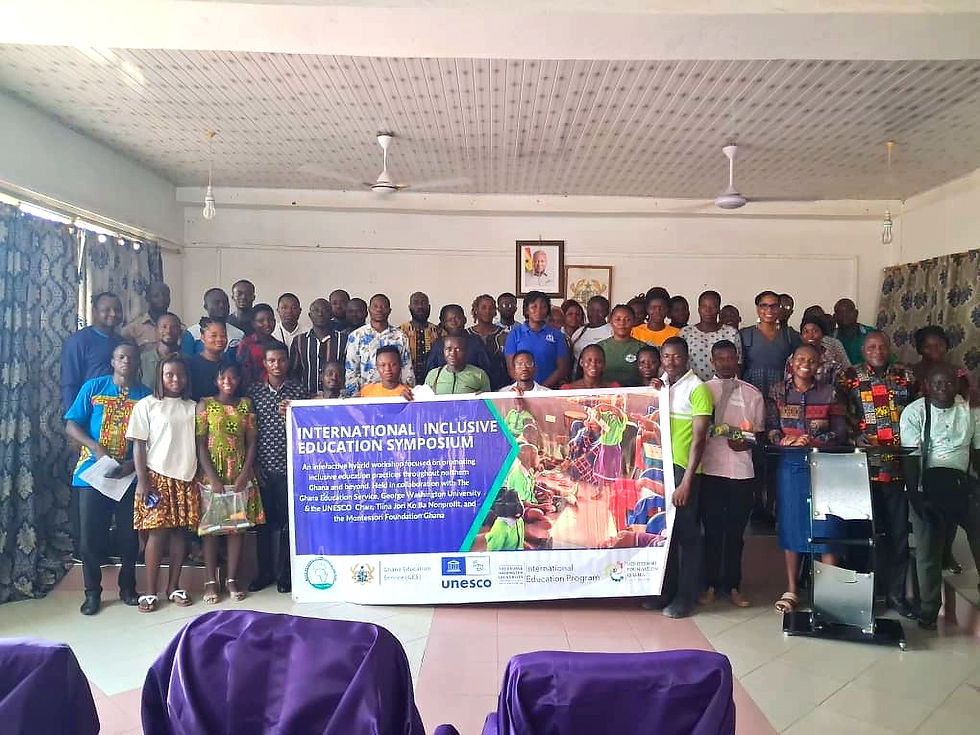
Education in the Upper East region often faces challenges with age-appropriate instruction. For instance, kindergartners are sometimes asked to write paragraphs when their developmental stage calls for activities like clay modeling to build fine motor skills. J.O.S Children's School recently addressed this gap by hosting an inclusive education training workshop for teachers, parents, and caregivers. The workshop focused on applying child development principles to teaching both at home and in school, aiming to create a more supportive and effective learning environment for all children.

Understanding Age-Appropriate Instruction
One of the key issues highlighted during the training was the mismatch between teaching tasks and children's developmental readiness. For example, expecting young children to write paragraphs ignores their current fine motor skill development. Instead, activities like clay modeling help children strengthen hand muscles and coordination, which are essential for writing later on.
The workshop emphasized that teaching should align with the child's developmental stage. This approach helps children stay engaged and reduces frustration. Teachers and caregivers learned to recognize signs of readiness and adjust their expectations accordingly. This shift supports children's natural growth and learning pace.
Principles of Montessori Education
The training introduced participants to Montessori education principles, which focus on child-led learning and hands-on activities. Montessori methods encourage children to explore materials independently, fostering curiosity and self-discipline. This approach contrasts with traditional instruction that often relies on rote memorization and passive learning.
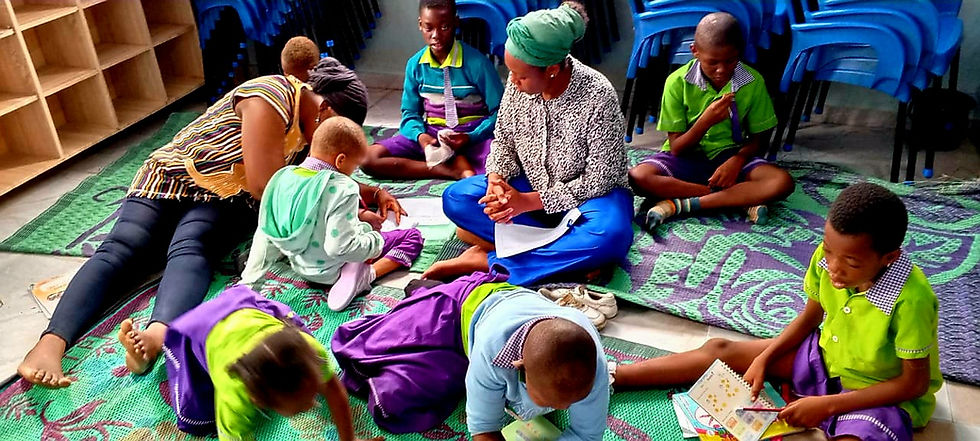
Participants explored how to incorporate Montessori materials and techniques into their classrooms and homes. For example, using practical life activities like pouring, sorting, and buttoning helps children develop concentration and coordination. These activities also build confidence and independence, which are crucial for lifelong learning.
Embracing a Growth Mindset
Another important topic was the concept of a growth mindset. This idea encourages children to see challenges as opportunities to learn rather than obstacles. Teachers and caregivers practiced ways to praise effort instead of innate ability, helping children develop resilience and a love for learning.
The workshop included interactive exercises where participants reflected on their own attitudes toward mistakes and challenges. They discussed how to model a growth mindset for children.

Interactive Learning and Collaboration
The training was highly interactive, encouraging participants to think, pair, and share ideas. This format allowed teachers, parents, and caregivers to exchange practical strategies for supporting diverse learners. They discussed real classroom scenarios and brainstormed ways to adapt lessons for children with different needs.
For example, participants shared techniques for breaking down tasks into smaller steps, using visual aids, and creating calm learning spaces. These strategies help children who may struggle with attention, language, or sensory processing. The collaborative environment fostered a sense of community and shared responsibility for inclusive education.
Leadership and Facilitation
The workshop was organized by Mr. Robert Sampana, Director of Management and Advocacy at J.O.S Children's School, and facilitated by Mrs. Elaine Walton, M.Ed. Their leadership ensured the training was relevant and grounded in current educational research. The choice of venue at the J.O.S School premises in Nangaikinia, Navrongo, provided a familiar and comfortable setting for participants.They encouraged participants to reflect on their teaching practices and commit to ongoing learning.
Adding to the Teaching Toolbox
At the end of the two-part training, participants shared what they planned to add to their "teaching toolbox." A few expressed excitement about using growth mindset language. Others committed to adjusting lesson plans to better match children's developmental stages.
This practical takeaway ensures the workshop's impact extends beyond the training days. By applying these new skills and ideas, teachers and caregivers can create more inclusive, supportive learning environments that respect each child's unique needs.
The J.O.S Children's School inclusive education training workshop offered valuable insights and practical tools for improving teaching in the Upper East region. By focusing on child development principles, Montessori education, and growth mindset, the workshop helped participants rethink how they support young learners. The collaborative and interactive format strengthened community ties and encouraged ongoing growth.

Comments